
This article targets owners, operations leaders, and finance managers in industrial companies considering when to sell industrial machines. The focus is not on whether a specific year represents a “seller’s market,” but on the internal triggers that create the ideal time to sell machines in each organisation. Creating effective sales strategies and marketing plans is essential for maximizing value when selling industrial machines.
Machine sales are tools to rebalance production capacity, free up capital, and support transitions such as electrification, automation, or restructuring. Industrial buyers conduct much of their research online, seeking technical documentation and educational resources before reaching out to a representative. Selling industrial machines requires a consultative, relationship-driven approach that focuses on ROI, reliability, and technical capability rather than just product features.
Why companies sell industrial machines
Companies rarely decide to sell industrial machines for a single technical reason. Machine sales are usually symptoms of deeper strategic shifts within the organisation, and having a clear idea of when to sell equipment is crucial to maximize value and stay aligned with market trends.
Typical strategic motives include:
| Motive | Example |
|---|---|
| Refocusing core activities | Exiting a product line to specialise |
| Replacing outdated technology | Upgrading to automated production cells |
| Freeing up working capital | Generating cash for new investment |
| Consolidating sites | Closing facilities during relocation |
| Simplifying the asset base | Preparing for succession or sale |
A Belgian metalworking SME selling three 2008–2010 CNC lathes after investing in a new automated production cell demonstrates how treating machine sales as part of a structured industrial equipment resale strategy can generate immediate revenue, supporting investment in new technology and enabling faster project progress, rather than relying on ad hoc disposals.
Industrial buyers are often motivated by the need to increase capacity, improve quality, or reduce costs, making well-timed machine sales particularly attractive to them.
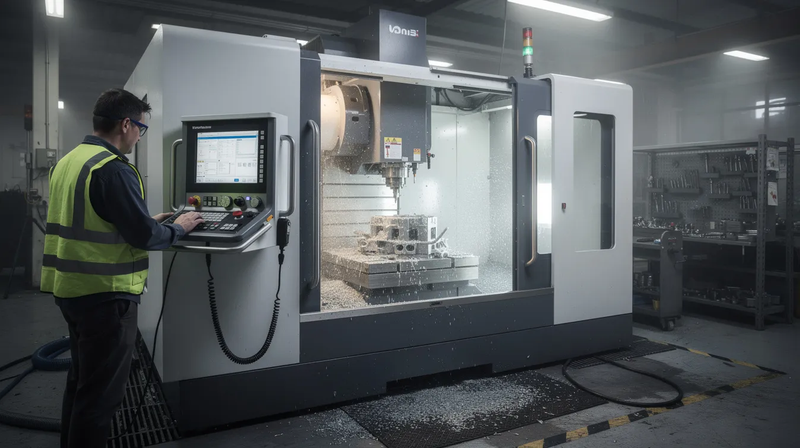
Common business triggers for machine sales
The best time to sell machines is typically tied to specific business events rather than market speculation about a single year. In industries like construction, equipment readiness and compliance are critical for meeting project deadlines and regulatory standards, which can significantly influence the timing of machine sales. Identifying these triggers early allows companies to plan industrial machine sales timing proactively, instead of reacting when assets are already idle or heavily depreciated.
Automation and digitalisation projects
Automation investment in machinery, such as adding robot cells or smart CNC lines, often makes existing stand-alone machines redundant. A precision parts manufacturer replacing three standalone 3-axis machining centres from 2010 with a new 5-axis cell plus robot loading can sell the older units to fund part of the automation CAPEX.
The optimal timing is usually just before the new line goes fully live, when old machines are still running and can be demonstrated to potential buyers.
Production expansion and capacity rebalancing
Production expansion can paradoxically create surplus equipment. New technology lifts throughput so much that older machines become backup-only and are rarely used.
An effective machinery replacement strategy includes criteria for when a machine moves from “core” to “backup” to “candidate for sale,” based on utilisation, maintenance cost, and energy consumption. Selling within 12–24 months of identifying structural under-utilisation generally preserves more value.
Business restructuring and site relocation
Business restructuring equipment sale decisions typically arise when companies consolidate plants, relocate production lines, or exit certain product lines. A family-owned fabrication company closing an older workshop in Antwerp and moving operations to a more automated facility in Limburg would sell shears, press brakes, and manual welding stations that will not move.
The best time to sell machines is aligned with the physical move plan: after certainty on which machines migrate, but before the vacated site must be handed over.
Fleet electrification and energy transition
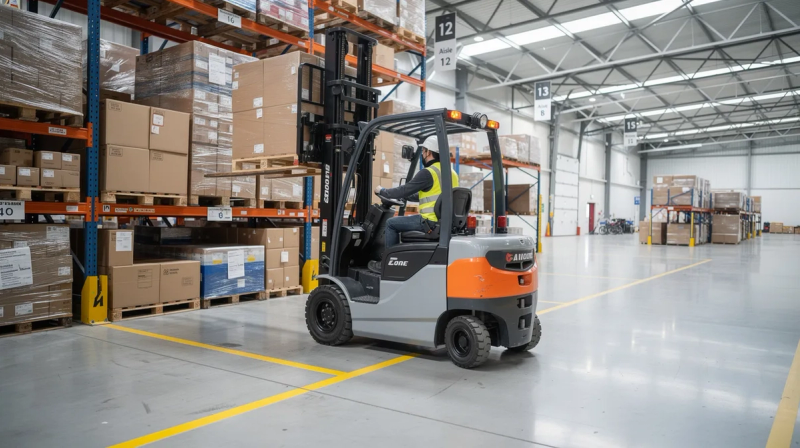
Many European industrial companies are running fleet renewal industrial machinery programmes between 2024 and 2030 to meet internal ESG goals and tightening emission standards.
A logistics hub in Flanders replacing 40% of its diesel forklifts with lithium-ion electric units by 2027 would sell 2012–2016 diesel trucks in batches between 2025 and 2026. The best time to sell is usually before local emission regulations tighten and before maintenance costs escalate compared with electric alternatives.
Succession planning and ownership transition
When a founder prepares to retire or pass the business to a new generation, selling industrial machines may be part of simplifying the balance sheet. A 63-year-old owner of a machining SME deciding to sell a legacy grinding department that no longer fits their future high-precision strategy demonstrates this approach.
Owners should identify non-core equipment early in the succession timeline, ideally 2–3 years before a potential sale of the company, to avoid fire-sale conditions later.
Regulation, standards and technology shifts
Regulatory changes and shifts in buyer expectations around smart manufacturing affect industrial machine sales timing. Lower new equipment sales in previous years have led to shortages of high-quality used machinery, impacting market dynamics and increasing demand for compliant assets. EU machinery regulations tightening around functional safety in the mid-2020s and widespread adoption of IIoT connectivity gradually becoming standard between 2024 and 2030 influence when to sell industrial machines. As 2026 approaches, buyers are increasingly seeking used machinery that meets upcoming emission standards, aiming to secure compliant equipment before new regulations take effect. Many machines are expected to depreciate faster after 2026 due to stricter emission regulations and changing buyer expectations, even if the equipment remains operational. Selling used machinery before the implementation of new emission regulations in 2026 can result in higher resale values, as buyers look to avoid future price increases.
A machine may still be mechanically sound but lose value once the machinery market expects integrated smart controls or compliance with new standards. Companies must also evaluate whether upgrading to a new machine is more cost-effective than maintaining older equipment, especially as technology and regulatory requirements evolve.
Why timing depends on business context, not the calendar
There is no single “magic year” for machine sales. While market cycles and regulation can create favourable windows, the dominant factor in industrial machine sales timing is internal: strategy, utilisation, cash needs, and risk tolerance. Often, it no longer makes sense to keep or operate a machine when maintenance costs or operational inefficiencies outweigh the benefits.
The “best time to sell machines” for a company modernising in 2024 may be very different from a firm preparing a plant closure in 2027. A clear industrial equipment resale strategy aligns disposal decisions with long-term business objectives, instead of reacting to external headlines.
The role of automation, growth and restructuring in value creation
Automation, growth, and restructuring decisions directly affect the value of machines on the secondary market. The quality of manufacturing and ongoing maintenance plays a crucial role in determining this value, as buyers increasingly prioritize well-built and well-cared-for equipment. Value is not just about age and hours but also about how convincingly a seller can show that the asset contributed to a modern, efficient process up to the moment of sale. Well-maintained equipment is rewarded in the resale market, as buyers often place more importance on a strong maintenance history than on the age of the machinery.
Preserving operational credibility at the moment of sale
Buyers pay more for machines that are still integrated in a live, stable production process. Companies should document OEE, scrap rates, and major service interventions for at least the final 12 months before sale. Taking machines out of service too early erodes buyer confidence and compresses prices.
Balancing CAPEX, depreciation and resale proceeds
Finance teams should integrate expected resale values into capital budgeting. Budgeting a €1.2M automation project that includes an estimated €180k resale of three older machines reduces net cash outflow and improves ROI. Dialogue between finance and operations helps define thresholds where maintenance risks outweigh residual value.
Avoiding stranded assets in restructuring
Stranded assets are machines that cannot be used economically in the new business model and cannot be sold at reasonable value due to timing constraints. Rushed closures often result in equipment being scrapped at deep discounts.
Starting asset mapping at the beginning of a restructuring project (identifying what will move, what will be sold and what must be decommissioned) is essential.
Impact of machine sales on operations and cash flow
Selling industrial equipment changes production capability, risk profile, and liquidity. Well-timed machine sales strengthen the balance sheet and fund strategic investments, while poorly planned sales create bottlenecks.
| Aspect | Consideration |
|---|---|
| Capacity | Can remaining assets cover demand under different scenarios? |
| Working capital | How do sale proceeds align with CAPEX timing? |
| Maintenance | Does selling reduce total cost of ownership? |
| Customers | How will changes affect service levels and perception? |
Before selling any machine, operations must analyse whether remaining assets can reliably cover demand. Transparent communication with existing customers and new customers about modernisation plans maintains trust during transitions.
Internal alignment and preparation before selling machines
Selling industrial machines should only start once finance, operations, and top management are aligned on objectives. Misalignment leads to slow decisions and missed value. Leveraging the resources of experienced machinery dealers or service providers can help maximize the sale value, save time, and reduce effort throughout the process. Additionally, providing high-quality photographs and detailed information about the equipment significantly increases the likelihood of attracting buyers and achieving a successful sale.
Aligning finance, operations and leadership
A cross-functional working group for any significant industrial asset disposal project should answer: why sell, which machines, by when, at what minimum acceptable value, and how to manage operational risk. Simple decision matrices scoring each machine on strategic fit, utilisation, and maintenance cost help structure decisions.
Asset mapping, documentation and valuation
A detailed asset inventory is the foundation of any sale project. Consolidating maintenance logs, retrofit documentation, and CE declarations for each machine supports better outcomes. Good records not only improve resale value but also shorten negotiation cycles.
Choosing sale channels and structuring the process
Main channels include direct sale to end-users, trade-ins with OEMs, brokered sales, and timed online auctions organized by specialists such as Dome Auctions Belgium. Listing your machine online through specialized marketplaces can significantly increase visibility, attract global buyers, and create competitive bidding environments, making it easier to sell industrial machines efficiently.
Working with reputable machinery dealers or a trusted dealer offers the advantage of industry knowledge, extensive networks, and the ability to expedite the selling process for used industrial equipment. These partners can market your equipment effectively, facilitate quicker and safer transactions, and help manage the often time-consuming aspects of selling machinery. Selling through such partners also enhances security and reduces the risks associated with independent sales.
Removal and transport services are crucial parts of the selling process, ensuring smooth logistics, proper disassembly, and delivery to the buyer’s facilities without operational disruptions. When considering direct sales or auctions, buyers often prefer channels that streamline the purchase and buying process, making transactions more straightforward.
It’s important to consider sales taxes and capital gains taxes when selling machinery. Working with a dealer can help manage these tax implications, especially if the equipment is sold for resale purposes, potentially minimizing your tax burden. Additionally, leveraging Account-Based Marketing (ABM) allows you to target high-value accounts and key stakeholders involved in the purchasing decision, increasing your chances of a successful sale.
Strategic considerations for industrial companies
Selling industrial machines is a lever within a broader strategy, not an isolated operational fix. The success of machinery sales strategies is measured not only by the number of units sold, but also by customer outcomes and overall business performance.
To ensure continuous improvement, it is crucial to measure key performance indicators such as cost per lead and lead-to-close ratio, which help assess the effectiveness of sales strategies.
Linking machine sales to long-term competitiveness
Each disposal decision should support clear positioning: what the company wants to excel at in 3–7 years. Selling misaligned assets reduces complexity and frees capacity to invest in capabilities that matter most.
Coordinating with ESG and technology roadmaps
Sustainability commitments and digital roadmaps shape which machines remain strategically relevant. Structured industrial asset disposal of energy-intensive machines can be framed as a concrete step towards sustainability goals.
Building repeatable processes and organisational learning
Developing standard playbooks (templates for asset mapping, valuation requests and internal approvals) reduces uncertainty over time. Post-project reviews after significant machine sales capture what worked and what did not.
Frequently asked questions
These FAQs address practical questions that arise when companies start planning to sell industrial machines. Below, you’ll find practical tips and strategies to help sellers maximize value and navigate the evolving market for used machinery.
Is there a minimum scale for a structured industrial equipment resale strategy?
Even a single high-value machine justifies a structured approach. Formal auction processes become most efficient from 5–10 machines upwards. Combining assets across sites into one coordinated sale can unlock economies of scale in marketing and logistics.
How should we handle machines that are obsolete or in poor condition?
Not every asset is suitable for resale. Classify assets into tiers: good resale candidates, limited resale (parts or local buyers), and scrap-only. Being realistic with internal stakeholders about likely proceeds from poor-condition assets avoids planning gaps in CAPEX funding.
How do we protect sensitive information during the sale process?
Separate technical documentation needed for resale from proprietary know-how such as specific CNC programs. Use controlled data rooms with non-disclosure agreements for detailed documents. Most buyers are primarily interested in machine capability and condition, not replicating proprietary processes.
How should we communicate machine sales to employees and key customers?
Transparent, timely communication reduces uncertainty. Inform employees before public sale announcements, explaining the rationale. Proactively address key customers if changes could affect lead times, reassuring them with contingency plans.
Can we integrate marketing objectives into our industrial machine sales timing?
Major upgrades present opportunities to refresh brand positioning. Align public stories about new investments and disposals with trade fairs or product launches. Capturing visual content during transitions demonstrates modernised capabilities to the market.