
What is an industrial auction process?
An industrial auction process is a structured B2B sale mechanism designed specifically for industrial machinery, production lines, and equipment. Unlike consumer auctions focused on household items, industrial auctions handle high-value, technically complex assets where individual lots can exceed hundreds of thousands of euros. The process extends far beyond a single auction day.
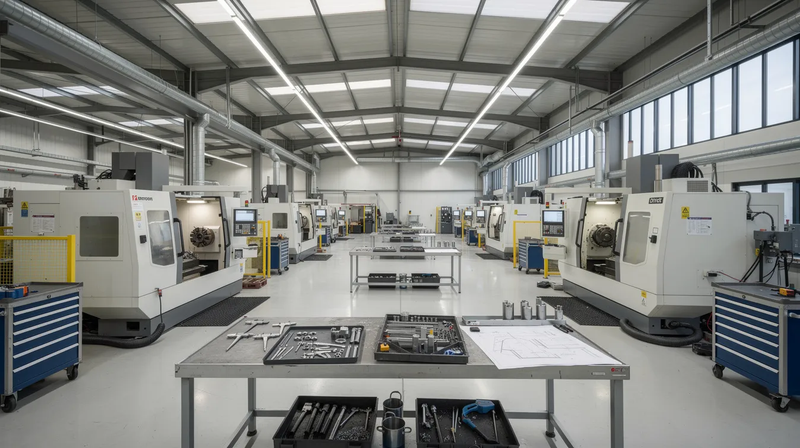
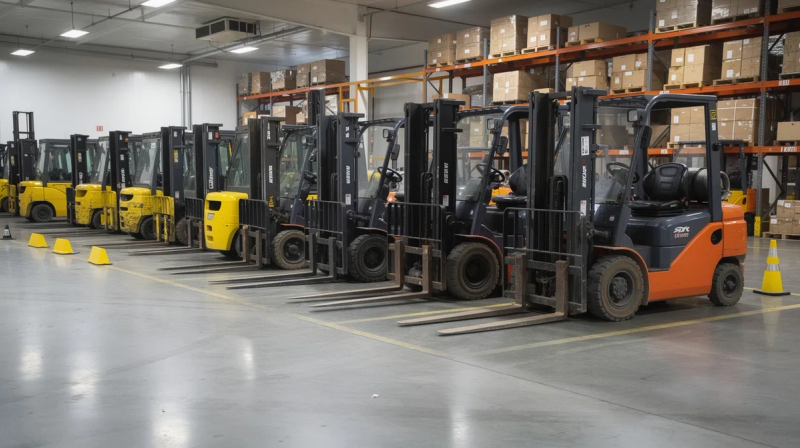
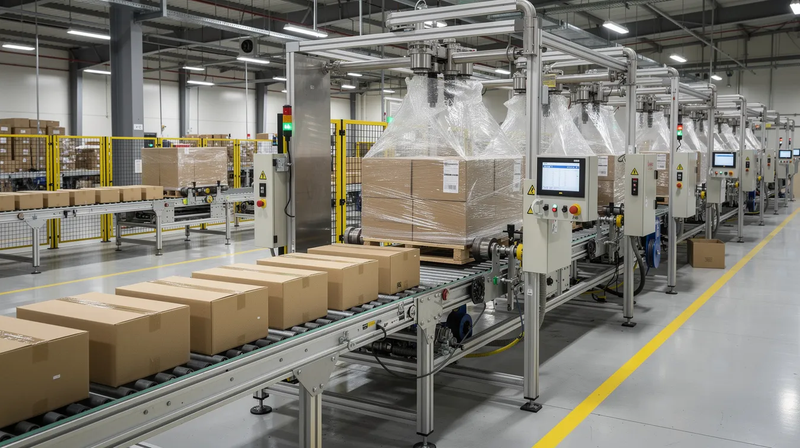
The difference between industrial machinery auctions and consumer auctions lies in scale, preparation intensity, and logistics demands. Assets such as CNC machining centres, forklifts, palletizers, packaging lines, metalworking presses, injection moulding machines, and warehouse racking systems require thorough documentation, safety protocols, and coordinated removal planning.
Most contemporary industrial equipment auctions in Europe are online or hybrid formats with defined timelines (typically 7-10 day bidding windows) and clear terms of sale including “as is, where is” clauses. This enables international participation from buyers across Italy, Poland, Turkey, India, Spain, Romania, and North Africa. The main phases include asset inventory, valuation, lotting, marketing, competitive bidding, and post-auction settlement.
Why preparation determines the outcome
The quality of preparation weeks before the auction often has more impact on final sale prices than the auction day itself. Industry data suggests that undocumented equipment can fetch 20-50% lower bids due to perceived risks, while well-documented assets attract broader interest.
Accurate asset inventory of industrial machines, complete documentation, and a realistic machinery valuation process build buyer trust and reduce disputes. Conversely, missing serial numbers, no service history, or unclear photos deter international buyer interest.
Aligning internal stakeholders, like production, maintenance, finance and HSE teams, ensures clarity about what to sell and by when. Consider the difference: a well-documented 2015 5-axis CNC machining centre with service records versus an undocumented older lathe. The former attracts more bidding and competitive bidding dynamics, while the latter may struggle to find the right buyer.
Preparation also simplifies post-auction logistics. Correct data upfront avoids surprises when buyers collect heavy equipment from the site.
Step-by-step: From inventory to final sale
This section provides a chronological overview of how industrial auctions work, from the first asset list to complete site clearance. The steps apply whether you are selling a single robot cell, a group of forklifts, or managing a full factory closure in Belgium, Germany, or elsewhere in Europe.
Each phase builds on the previous one. In practice, some phases overlap (valuation and lotting, for instance), but for clarity they are described sequentially.
Asset inventory and data collection
A structured asset inventory is the first step and foundation of any industrial equipment auction. Companies compile detailed lists including make, model, year of manufacture (e.g., 2017 Trumpf laser cutter), serial number, hours of use, and current location.
The inventory distinguishes between core assets still needed for production and surplus or non-core items identified for sale. During this phase, capture technical plate photos, control panel screenshots, and maintenance labels.
Safety and compliance information, like CE marking, manuals and safety upgrades, matters for European buyers. Centralise data in a spreadsheet or asset management system to feed later stages like valuation and cataloguing.
Technical and commercial valuation
The machinery valuation process combines technical condition assessment with market analysis. Maintenance reports, service history, and recent repairs are reviewed for assets like compressors, forklifts, or pallet wrappers.
Valuers compare assets with recent comparable sales. For example, a similar 2014 Mazak CNC sold in a 2025 industrial machinery auction in Germany provides a benchmark.
Different value levels apply: forced-sale value (quick liquidation), orderly liquidation value (structured auction), and fair market value (optimal conditions). This evaluation helps sellers define realistic expectations and reserve price strategies. Independent third-party valuation can support internal decision-making for finance and board-level stakeholders.
Lotting and presentation of assets
Lotting determines how machines and equipment are grouped into sale units for bidders. Common strategies include single high-value machines as individual lots, logical groups (e.g., 20 pallet racking bays), or complete production cells.
Good lotting reflects how buyers use equipment. Offering a shrink wrapper with its infeed conveyor and outfeed roller tables as one lot makes practical sense.
Clear listings should contain technical description, specifications, year, condition notes, power requirements, and dimensions. Professional photos and short videos significantly improve engagement in a B2B industrial auction. Maintain consistent visual standards: neutral backgrounds, no heavy editing, clear close-ups of wear areas and control panels.
Marketing and buyer activation
Even the best machines underperform if the right buyers do not see the listing. Targeted digital marketing reaches relevant buyer groups: metalworking companies, logistics operators, food manufacturers, and dealers.
Key channels include email campaigns to existing industrial buyers, SEO-optimised listings for terms like “used CNC” or “industrial equipment auction Europe,” and paid campaigns on LinkedIn or industry portals. International buyers in machinery auctions are attracted through multilingual catalogues and clear logistics information.
The marketing phase typically runs 2-4 weeks before the auction closing date, allowing time for inspection. Structured partners such as Dome Auctions Belgium follow clear marketing calendars and buyer segmentation to reach a wide audience of qualified bidders.
Bidding process and auction timeline
The bidding phase is a controlled, time-bound event with transparent rules applying equally to all participants. Online auctions feature a catalogue published in advance, a bidding window (typically 7-10 days), and a defined closing date with staggered lot endings.
Registration requirements include company details, acceptance of terms, possible deposit for new international buyers, and KYC checks. Information symmetry is ensured: same photos, inspection reports, and Q&A answers available to all bidders.
Bid increments, reserve prices, and extension rules (lots extending by a few minutes if bids arrive just before closing) are clearly defined. When several buyers compete for the same CNC machine or forklift fleet, auction sales tend to surface true market value.
Post-auction: Invoicing, payment, and collection
The industrial auction process continues after the last bid. Winning bidders receive itemised invoices including buyer’s premium, taxes (VAT treatment varies in cross-border EU sales), and payment deadlines.
Standard payment methods include bank transfer with clear cut-off dates before collection. Planning for dismantling, loading and transport follows typically 10-20 working days after the auction. Site rules specify who is responsible and which safety regulations apply.
Complex removals involving production lines, overhead cranes, or silos may require specialised rigging contractors and coordination with the site owner. Final reporting, including sales results per lot and overall proceeds vs. expectations, closes the loop for finance and management teams.
The role of international buyers
International buyers represent 30-50% of European auction volume. Demand for specific assets, like 2012-2018 European-built CNC machines, used forklifts or bottling lines, often comes from outside the seller’s country.
Auction platforms make participation easier for international buyers through multilingual interfaces, translated descriptions, and clear export information. Practical considerations include deposits for new buyers, international payment terms, and coordination of export documentation and transport.
Consider how a packaging line in Belgium might attract buyers from Spain, Romania, and North Africa. This competitive tension in the machine auction process often increases prices. Reaching a broad international buyer base improves chances of achieving fair market value for surplus industrial machines.
What happens after the auction
Post-auction execution requires operational discipline: payments, dismantling, safety, and site handover. The sequence follows: confirmation of winning bids, issuance of invoices, payment collection, and release notes once funds are received.
Site rules are enforced during removal: PPE requirements, working hours, insurance certificates, and supervision. For multi-asset projects such as closing a machining workshop, removals may be scheduled by area to avoid bottlenecks.
Site clearance deadlines matter especially when the building is being sold, leased, or repurposed. Professional partners provide final reports summarising proceeds, unsold items, and lessons learned for future industrial auction processes.
Strategic considerations for companies
Industrial auctions represent one tool within broader asset management and capital allocation strategy. They suit scenarios like factory consolidation, line upgrades, relocation, or divestment of non-core activities.
Compared with alternatives such as private sales, direct dealer sales, trade-ins, or long-term storage (costing €5-10/sqm/month), auctions offer speed, transparency, and market-driven pricing. Timing matters: aligning auction dates with production shutdowns, new equipment commissioning, or financial reporting periods.
Companies benefit from developing internal policies for asset lifecycle management, including trigger points for when to sell industrial machines via auction. Structured, data-driven approaches are equally relevant when planning communication for an industrial equipment auction.
How structured auction partners support the process
Many companies work with specialised B2B industrial auction partners to manage complexity. The typical scope includes asset inventory support, machinery valuation, cataloguing, marketing to international buyers, running the online platform, and coordinating removals.
Dome Auctions Belgium exemplifies this approach, using structured processes to help European industrial sellers manage used machinery auctions in a controlled way. Well-defined process documentation, such as checklists, timelines and responsibility matrices, reduces risk for sellers and buyers alike.
Companies should assess partners on process maturity, transparency, data quality, and reach among qualified industrial buyers rather than promotional promises alone. A disciplined auction process from asset inventory to final sale creates clarity, efficiency, and better outcomes for all stakeholders.
Frequently Asked Questions
This FAQ addresses common practical questions about timelines, costs, inspections, and responsibilities relevant to European industrial auctions. Specific terms may vary by country and auction provider, so confirm details for your situation.
How far in advance should we start preparing for an industrial auction?
For a small group of machines (two forklifts and a palletizer), 4-6 weeks may suffice for inventory, valuation, marketing, and sale. Larger projects such as closing a production hall or entire industrial plant require 3-6 months to manage internal approvals, data collection, and removal logistics. Earlier planning provides more time to reach international buyers and schedule safe dismantling without disrupting operations.
Can we continue using machines while they are listed in an auction?
In many industrial machinery auctions, assets remain in use until shortly before collection, provided condition matches the description at sale. Agree clear cut-off dates with your auction partner to avoid disputes. For critical production equipment, sellers often schedule auctions to close after new lines are commissioned.
What costs should we expect when selling machines at an auction?
Typical seller costs include auction commission (8-15%), marketing fees (sometimes included), possible dismantling contributions, and internal preparation time. Buyers usually pay a buyer’s premium and arrange transport. Request a clear cost breakdown and net-proceeds estimate from your auctioneer before committing.
How are environmental and safety responsibilities handled during removal?
The site owner normally remains responsible for overall site safety and environmental compliance during dismantling. Buyers or their contractors must use safe working methods with appropriate insurance and risk assessments. Include specific clauses in auction terms for handling oils, coolants, and other materials to avoid ambiguity.
What happens to unsold machines after the auction?
Not all lots sell. Unsold equipment can be re-offered, sold via private treaty, or included in a later auction. Low or no bidding may indicate unrealistic value expectations or limited market demand. Agree in advance with your auction partner what strategy applies to unsold assets and establish decision thresholds to purchase storage or alternative services.